


BUQUES DE LA ARMADA URUGUAYA
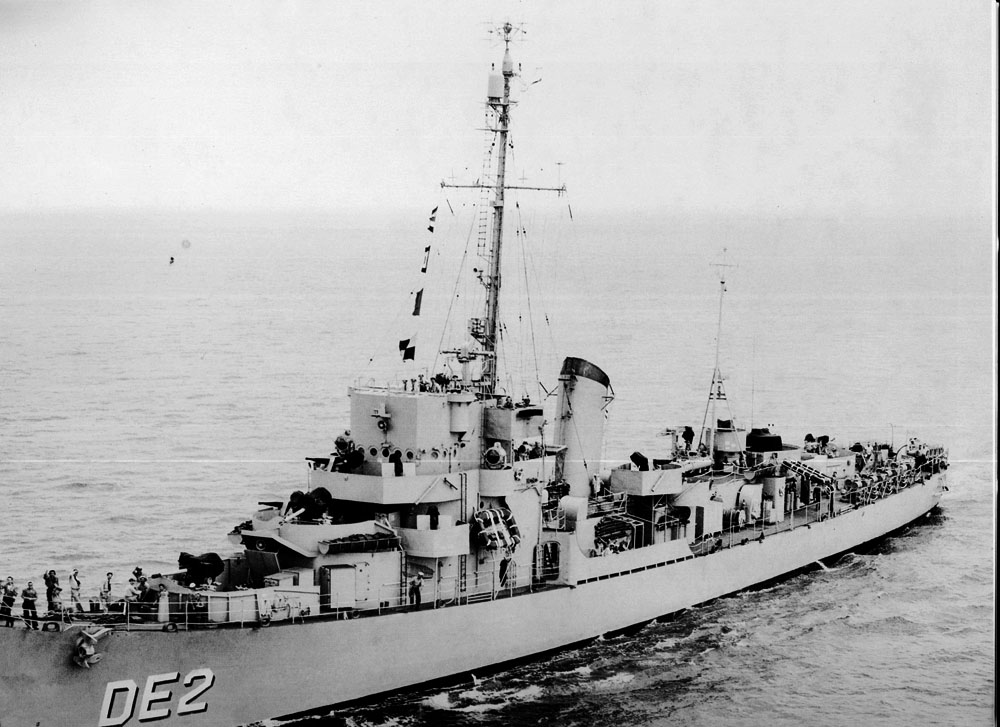
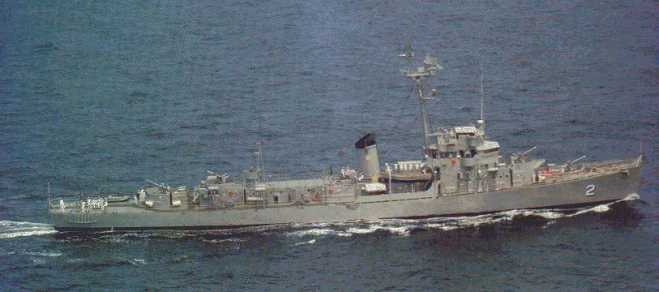
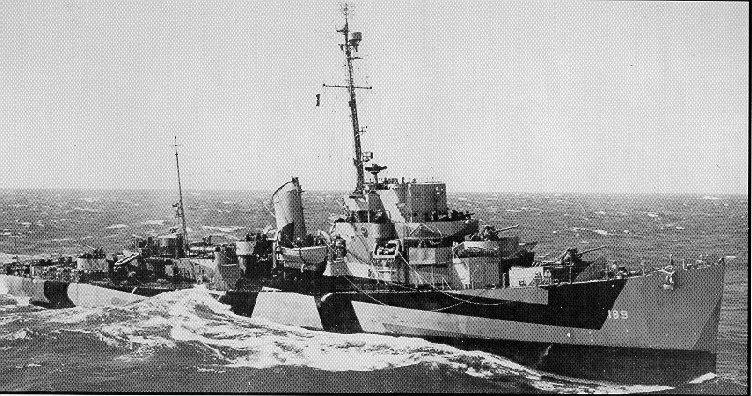
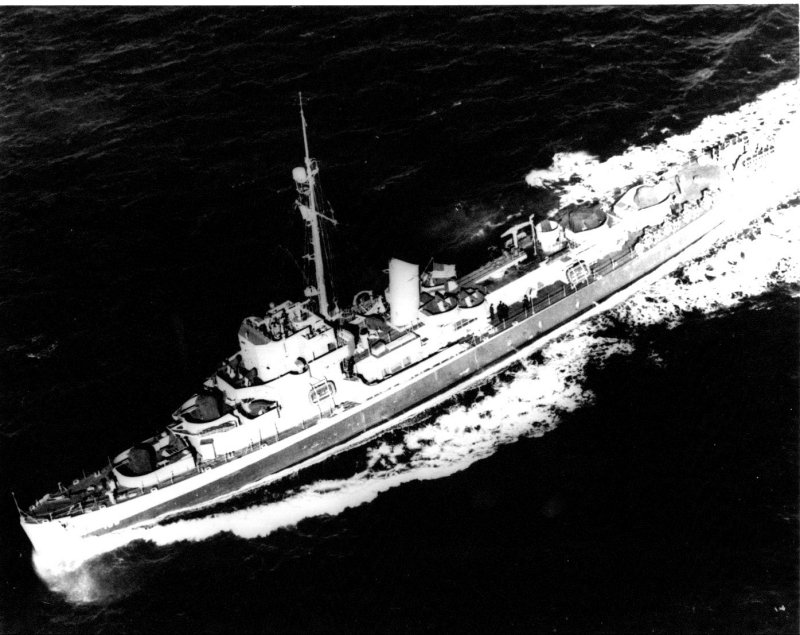
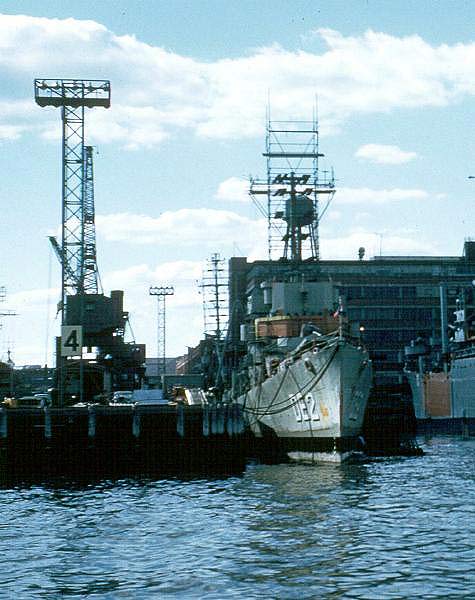
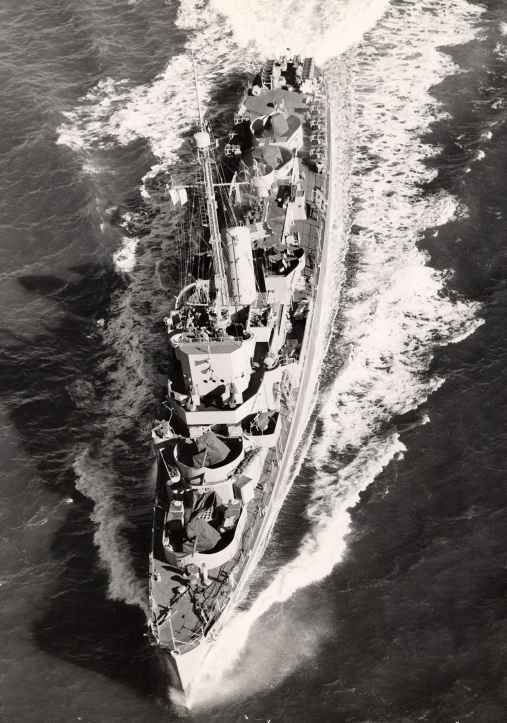
"ARTIGAS" 1952-1998 Ex USS "Bronstein" DE-189.
|
La principal incorporación en la década de 1950 fueron los Destructores "Uruguay" y "Artigas", en 1952, los que permanecerían en servicio por cerca de cuatro décadas. La Segunda Guerra Mundial y sus consecuencias, determinaron la necesidad de instrumentar medidas defensivas contra la amenaza submarina cada vez más peligrosa. La formación de grandes convoyes de cargueros, escoltados por buques veloces y bien equipados con armamento antisubmarino, que se denominaron Destructores Escolta (DE), fue la mejor respuesta a aquella amenaza. Los DE 1 "Uruguay" y DE 2 "Artigas" marcaron un cambio sustantivo en la doctrina de la Armada Uruguaya, y el adiestramiento pasó a desempeñar un rol fundamental. A Desguace en 1988. |
|
|
|
|
|
CLASS: Cannon TYPE: DET
(diesel-electric tandem motor drive, long hull, 3" guns) The ship was named after Ben Richard Bronstein. Born in Manchester, N. H., 14 April 1915, Ben Richard Bronstein was appointed Assistant Surgeon in the Naval Reserve in 1941. He was killed in action 28 February 1942 when Jacob Jones (DD-130) was sunk by an enemy submarine off Cape May, N J. The Bronstein (DE-189) was sponsored by Mrs. Dina Bronstein Kurtz, mother of Lieutenant (junior grade) Bronstein; and commissioned with Lieutenant S. H. Kinney in command. The USS Bronstein reported to Norfolk and was assigned to TG 21.16, a hunter-killer group. On 16 February 1944 the Task Group left Norfolk on an anti-submarine sweep of the North Atlantic. On the night of 29 February numerous attacks were made by the group on a pack of German submarines. Early in the morning of 1 March Bronstein attacked U-709 on the surface with gun fire and, after it submerged, with depth charges. Bronstein was assisted by Thomas (DE-102) and Bostwick (DE-103) and the attack resulted in the sinking of U-709 in 49°10' N., 26°00' W. Later in the day Bronstein sank U-603 in 48°55' N., 26°10' W. After this battle the Task Group went to Casablanca to refuel. On 11 March they departed in search of a fueling submarine that was reported operating with several other enemy submarines in the Atlantic off the Cape Verde Islands. On 16 March aircraft from Block Island (CVE-21) attacked a surfaced German submarine which promptly submerged. Corry (DD-463) was dispatched to the scene and at daybreak Bronstein was ordered to assist Corry. The two vessels attacked continuously for about three hours and when the submarine broke surface she was subjected to heavy gunfire. The U-801 sank quickly in 16°42' N., 30°26' W., and 39 men including the commanding officer were taken prisoner. On 22 March Bronstein and Breeman (DE-104) were ordered to Dakar, French West Africa, arriving 25 March. To prevent Nazi capture, each ship loaded 15 tons of gold and delivered it to New York, arriving 3 April. On 13 April Bronstein joined TF 60 and escorted a convoy from New York to Bizerte, Tunisia, and returned On 10 June Bronstein departed New York Navy Yard and joined Card (CVE-111) as TG 21.10. The first assignment took them south of Newfoundland to track down a U-boat. The U-233 was sunk on 5 July 1944 by Thomas (DE-102) and Baker (DE-190) and the Task Group returned to New York. Between July 1944 and May 1945 Bronstein operated with TG 21.10 searching for enemy submarines in the Caribbean and Casco Bay areas. On 9 May 1945 she reported to Commander, Fleet Air, Quonset Point, R. I., as screen and plane guard ship for carriers during the qualification of pilots in carrier landings. Bronstein was overhauled at Boston in early October 1945 and steamed to Green Cove Springs, Fla., where she was decommissioned. Bronstein received four battle stars for her World War II service.
|
Este sitio es publicado por Carlos Mey - Martínez - Argentina