

FVS÷HùN(¢²“iØ{Ý’^ÆbXÑvŒ
ÀãŸÆ§G8¦ye\¦T&=;ÑE6°“lÿÙ had a
surface-piercing foil configuration, i.e. four retractable "V"-foils that
could be steered and rotated to allow banking into a turn. HIGH POCKETS was the first hydrofoil to embark
the then Chief of Naval Operations, Admiral Carney, in the summer of 1953;
click here to read this
interesting story.
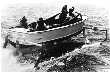
(62k)
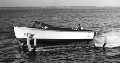
(52k)
HIGH TAIL The second Baker
hydrofoil had a controllable, fully submerged foil system. The 3-foil
system, one forward and two aft, had three mechanical sensors, one
touching the water ahead of each foil. These sensors provided the input
for controlling foil lift. Propulsion was via a propeller driven by an
inboard marine engine through an angled shaft. The forward foil and struts
were mounted on a vertical axis, which provided steering while flying. The
foils, sensors, and propeller were all hydraulically retractable for
operating in shallow water. The foils were quite small, so lift control
was obtained by changing foil incidence relative to a fixed reference
using a mechanical/hydraulic autopilot. Though the autopilot was workable,
the conclusion was that future autopilots should be electro-hydraulic.
Gordon Baker’s contributions during this experimental stage of hydrofoil
development was significant and helpful for future design decisions.
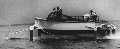
(54k)
MONITOR

CARL XCH-4 This
16,500 lb, 53 foot craft was known officially as "Experimental
Craft Hydrofoil No. 4," unofficially as "The Carl Boat" after its
principal designer, William P. Carl. It had a seaplane type hull supported
by two sets of foils forward, and a single strut and foil aft. Two 250 hp
Pratt and Whitney R-985 aircraft engines with two-bladed controllable
pitch propellers 8 ft in diameter provided the trust to carry this craft
to the highest speed attained since those achieved by Alexander Graham
Bell’s HD-4. During trials of the CARL XCH-4 in 1953, the crafts design speed of
65 mph was exceeded in three to four foot waves. During US Navy tests off
Long Island NY, someone called the US Coast Guard to report that "A
seaplane had been trying unsuccessfully to take off and undoubtedly needed
help" an understandable error in view of the craft’s appearance!
Ï$
z€íòžhF¢‹!`Á9ç‘Q˜Hû¸Å&ÜŒ`þ›ä]ÜŽý+™$ÖÌk&Œri¬¡A$Æ mN8ñæd7¡
Ô¢öÞfPÒFÀà…
½+ö:©]™LÜ/¨
j^B€
•8drTÅ%Ï$`ÓDº!-†É
S$T~r
,†5b¦E㱨šî$ÈÞ¼ñÖ™¤·‰
ºy˜¤e>©¡®aO™|À:íëS›¥%×'¦Z¸ëIÜéR©o}\dw±d+†Sƒòž
{§Á9¥ð¤ÓƵÅä’Œ
dT †Aü«Ã
âÚDŒ¸¯uð–s ‚|7Ž£yd$¤u´ 3g‚z`~&¹1.Ð.’\×HÅø‰á
\ñ½óYiRËpÇRï@’A’ n~f"²ô‡~%Ò5½;RžÖÞ(a¸Iý¥íä
‡“\Oüm¯Zø«Q±³Õµ²ÙÜai&%ÆÓÙëÖ¹qâ}@_Å,“M*E0bpCdu=±YBME#g„“niŸ}øëNÿ„‡á?‰Õw<º_Úc
ÙGãòšøžC’N:Œ×Þ^
òµ¯ÙÅ Ì7væûÊêGò5ðMûÿg\Ke)ÄöÎÐ>{2¤~b´Ã»I£,M753´2)ƒóÖªý©r #¦Z¦V'îô=óÖºÓ9Ý)%ª'IÃ
îÎOz”IžœûÕ% •M£¦
K™à.^jÓ24ÙoÌ$ã4
³§$ÿgqœ°BB=
Âä‰ö#4Çì-ÔÜÑõ;Ýñot«»‹+¸È&Ky
Î
žÇŠö~Ò:´WЧˆ4ÛK<äI=‚I<
¥¶¶;Šùñ¥¹É €1Öˆ¯.Ià ëÐŒdUZåÆ"®šgÞ~ñÆ…ã+w›DÔ¢¹òó¾')cÇ]Ѷ
ý*Ÿ‰þ$øÁ×pê—ïhÚXñÎ8ÈÏ@s_\HÒ!eŒçsŽpz¥W2ÝÙFe‘!<„FÂßÇoJqNþöƱJK³>ÙÖ¾+iÖV‘ÞiQ¦k
¡.ÊJa{u.¨_k¯ 3®zuë[·^7Ó-ìd¼IDð(B qÇqzŠøB×_¸†v{µk¨ž6‘ä+»##=ˆ
àŽq]Æñ6×KºÔ~âÛÃk¨«yÖÒÊÎ…ò$++ÐAµl•;؉ө
‡Ö~ñæâß´ÇjÛnmNÙP
ÈOÚÝÀ]¶…õ®ßÎJźý£¼l$ÌwºjÎ4ôÁúäšOšÖ±PJ{3Ôþ üx¶Ñ$Ö´M>ÓS²Ö-ÁŽû‹tØ$´lrTŽ|W…Iñ‹ÆÆŬϊuO-¤iEy¤œq¿‚ñÀ¸ßxŸRñ>©>¡ªÞKuu.7<„và{
ȘáOäj£oxì
5;믋Þ3¸[˜¥ñN«$7ùR)”ÊFéÆGqƒ\ö•âÍKAYN•¨ÞX´ªU¾Í3 lŒrÁ>ýk €;³ÅGÈvŒ’áJJ)h•}sðɤ»ðµÅIJM4öjÒI3—gbIbrkÆþ&x‹V±ñSZRôAi}#¸tPN6‘ßÖ½›á
[ü£¿zÅ;{ð‹ÑgƗټƂÈí·ÿ\?‹c+'dÈn>%ø¦ö†çÄú³D`
tËyÛ‚O
NMw^øÿ®Ú^A
¹q
ý‚ŽÆ&#'æÜÉéÔs^\ƒŽASϽ0´„¶5è«GdSÃ)+ V[þкsk³‰,nGdÄ;|ðàõ?>#·lw&ý¡¼*™ cÕr>ìCÿg¯Ä¥HØûæ•ælcw4ïægõCêÉÿi
c
‹|íÏ\F€~YªGö˜±”ðÜå¹à^
èòð'wÞ?8JÁ9sôÍ?˜þ¨}8?iˆáIþ¦ýGþÉL—ö‰#>W…Ííç_¾ý5ó+Lü|ƘÓ3}âxõ¤×˜,"ëoëæwé«ÛpK6yéQ>¹¿µyú†ù†lÔîåSvöükÍR¾¦o-‚v¹ÝÅÅ)±ÍXûx˜°Þ¼é/]N[
æªÏ}<²³4‡æ=J
Dδӗ=
‘ë±O{
ĶÐ;¥¬^tì9¦q¸ú
+=µˆ-¦I¶”`ÙôÁÎkÍd»™Ð»;
áIÏjz,×e€bNÒrOµGµ»Ð¨å jä{ÃÞÃ¥|a·¶˜…OíˆH*FLrºàú}Ù+?@ÕtßxæÞ
û¹ìí,5‚kˆÐ<‘ª3.qŽO·zåþ&ܼ>%ÐuÄ,u¥é·ùÏñ”ù¥AñŠ#eñ+ÄOÄWW kLtÛ*‰èÕ›“Or£„¯™éúŸ“_ÓäñÍäÖ6„Än,ÛÊg¢D +¨$70íž”ž&ñ¥ök8¼Ka§kzcå¬ïbá$ä´3 Ž˜9Ê×΢êW'.ßt
ñÞ©ávšÌwz]É jÓ®W|ãÔ
z2á‡Kosw„Ÿ.’ÔúÆgºÐχVL'ûjûŠçµ/
i—6âëVðL‰j@Χá;Á$sól%ÓðÜ¿…pðØG¬Oÿ ÃíBî
NØdÑÚSöÛ~¹hXs2uÎ>`:ƒVôŸiúåØ’þîO ø©¿æ7`
V×þž"\llõtõs;ª£×úþ·'ƒán“â§uð÷‹ Û´f
bÝíe_£.øÛþúbOÙòïNˆM¨µëÚƒÌö¨²FGûêXWyec¯E¦Asâ9ÒæþMÆ;¸Äl³Ç“´¬±ŒJ1Ü’y©¬d¸±œÜ[Ëqk0?\^33q©*{X÷°x{8É»Üá,¾xb2Šâå½eœàþ
t6ÞðݾÑ
‹g’qó!~àD×^o Vž!YG©ç·ÖÇþÙeO:ò&+ž¡¯Ãwö5ç¿®#Oh]®•hy>²Iú×ÔPxoGKhí›nmc ¬2&ð9œô<Ö¼jGî-—*ü‘Žt
;W£§Vy’ ä¬|¥éZßÄæšÏJ½:y¼7;¾Èçh/‘† ÅëÚ¸M^1ý¡v"gcÄ_É
±\J§¶s_"|c‡J·øâX.&½Žh[0$VÑËÕ€$y,rH&Ÿ2V±ÍW
â®yINJ“Çjòƒ¡c–ÏåÞ€Êbl°
;`Ö陨69U7#š“rœUuŒK·ŽÕi¡¸óu'ÊÈãëOe@@ í5Y‡›ß
gCKõ&™'§ Æi²…ñQ+àŽ8>¢œÏž€
9ö¤µ
;‰ä«‘§'¥
8?Jr°QÈtïH¬Š>cÚ™Wc·ƒ×9ìji¹f;–ýFbi2AÚ§ŠU‰£PGOcSqòÀmŲÝǵœoìØäV,ú]Ôg!K¨þ%çô ®Xg8
ê]î rvŠLÚž"¥%î»™º&˜÷sÆ‘Ý*ÊÇ ƒùë®ü2öðü׈Œ¸ß¸d
úb°g j^
,Àe_
(ñ.³bùS'3Ä ð—¡§ûþϰ·^”C$±Ï
’/Íò6A
ñ\ÙNr:סiºÍž¨¡aîy[‡%X îûqÞ¹éÉ›iÚÃ$ÓšMßcl=YÆ~Ρϱ*Ø'§J”É”É'5PI9éÒ¤B»‡ƒR®w´‡
²ùA7ÃiÖ¾Ïðö›
—o§A´ ´‚0}Š¨'ùùúgÚüC¤ÚãrÍw=
é_]ø‚i´¿ëz’¨Q
´Ò#2çiŽüãŠåÅ=g4ÚsÓ±ñäí}s5Ðåf‘åüçúÕ5Bcl‚È®£QÓíXÛ´/oV$ Â’18œT
l1
ë–
þÑãÖãŽ&6GÛßuOíèå–Ç^„(õòÆ}û'⟌-JÆoÞxþ’âLÿãƾ†ýš®e>
KiÑãh$uUpAÚ
‡øWŸ~ÓºgÙ>%›•^5
2Úë u`^"?(ÅcMÚ©|°º>DˆHÅß»fOLôºDRHí!@ñæ7ðûšÅkRe`ê@^7Ò‹‰¶DÑqZïÑR*'»µqKeˆ.rÁ˜ï'§â–UµóIÚ> ÔÓÛÞ¨@ÑÜÂíæÇF»€s‚ÇÐæŸpÊÁ[îõLÉÐJH–$–F}¥S©éÇãQ
NœÇ'QéTÚè4d«cÕTS¹Û“Û¸4§n†‘ÂÆOß7ö'LÆÃ9è{ԱΥrïC»¥f[ÚDUw†.ß0Û×¥1íÁQµ†Iàg)¤ì'BŸÂõuP§p`1õ©VX¦¹è ¹e‘—vÄ$v‰4ц>g
Ž ¡]jc<
oIW¶ ±ž3ò¯$f²•KJ›jô4²\V—ï
þ4“ÂËÊ2Ñž7v&©Xë£ B<²dÓLѹ
ÌW±õ¨šþ^pß"JXŒãn:TÏ
l3´`ð+E'$_,cº"K¢§%Žê‘ï^À|^ßV{}«IÕrãiVÆj\¹jœ%‹ò^_½š¨òîóQÆ4€2Œ•.o¢48ÇaÁN´žc
|بË2ç+ÇÒ›†#•¬eQÜ»¼ýÃäZ_0"ðÝÁªŠÀç<œì1©ö8¦¦ä™.6>Ëø<€ø3B=¾ÀŸÈ×ÏÿTÅãyšÎãŸï*ú
àÞWÁ> !YˆÓÓwà×€|q!2X…

(62k)

(52k)

(54k)
